Open iT SaaS:
Complete Guide to Software License Management
Managing software licenses in modern IT environments is no longer a straightforward task. Organizations today operate across a complex mix of SaaS applications, cloud infrastructure, virtual environments, and on-premises systems—each with its own licensing models, usage patterns, and cost implications.
As software ecosystems expand, so do the risks. Without accurate visibility into software usage, organizations often face rising costs, underutilized licenses, and increasing pressure during vendor audits.
Many companies are unknowingly overspending on software while lacking the data needed to justify their usage during audits.
Open iT SaaS provides a modern,
scalable solution to these challenges.
Open iT SaaS delivers advanced software license usage analytics, optimization insights, and audit-ready reporting through a cloud-based, fully managed platform.
It enables organizations to take control of software usage, reduce waste, and make informed decisions—without the complexity of managing license tracking systems internally.
This guide explains how Open iT SaaS works
why it matters, and how organizations can use it to optimize software investments and strengthen audit readiness.
What is Open iT Saas?
Open iT SaaS is a cloud-delivered software license management solution that provides organizations with deep visibility into software usage across on-premises, cloud, and SaaS environments.
Unlike traditional tools that require internal deployment and maintenance, Open iT SaaS is delivered as a fully managed service.
Organizations gain access to powerful analytics without needing to manage infrastructure, updates, or integrations themselves.
It combines:
Real-time software usage tracking
Centralized analytics
and reporting
License optimization
insights
Audit-reading data and
historical reporting
Ongoing expert
support
Open iT SaaS addresses these challenges
by providing unified visibility and actionable insights across the entire software landscape.
Why Open iT SaaS is Critical in Modern IT Environments?
Software environments have evolved rapidly. Organizations now rely on:
SaaS and subscription-based applications
Hybrid and multi-cloud infrastructure
Virtualized
environments
Distributed global
teams
At the same time, software vendors have introduced more complex licensing
models, including subscription, token-based, and usage-based pricing.
This creates several critical challenges:
Limited visibility into software usage
Overprovisioned or unused licenses
Difficulty tracking usage across environments
Rising software
costs
Increased audit exposure
Without a centralized solution, organizations often rely on fragmented tools or manual
processes that cannot keep up with the scale and complexity of modern IT environments.
Open iT SaaS addresses these challenges
by providing unified visibility and actionable insights across the entire software landscape.
Key Benefits of Open iT SaaS
Open iT SaaS eliminates the need to deploy and maintain internal systems, reducing operational overhead and freeing up IT resources.
Real-time analytics provide ongoing insight into software usage across all environments.
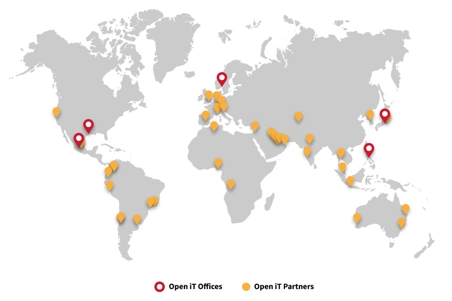
Open iT SaaS supports distributed teams and global operations with consistent visibility.
How Open iT SaaS Works
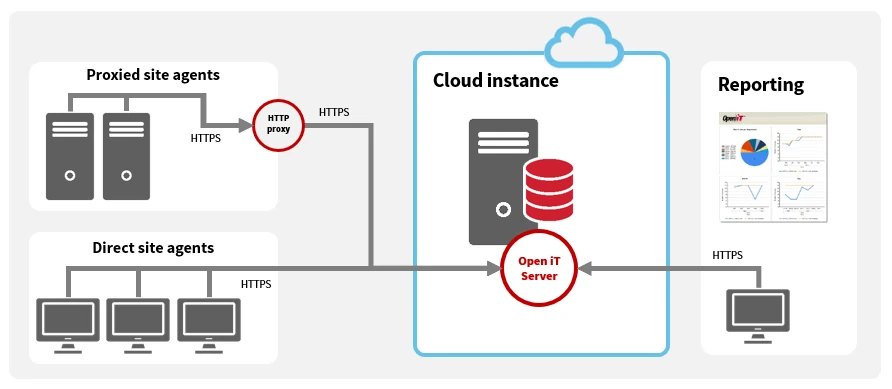
Open iT SaaS combines automated data collection, advanced analytics, and expert support into a single, unified platform.
Software Usage Data Collection
Open iT SaaS collects detailed usage data across:
- On-premises systems
- Cloud infrastructure
- SaaS applications
- Virtual environments
Centralized License Usage Analytics
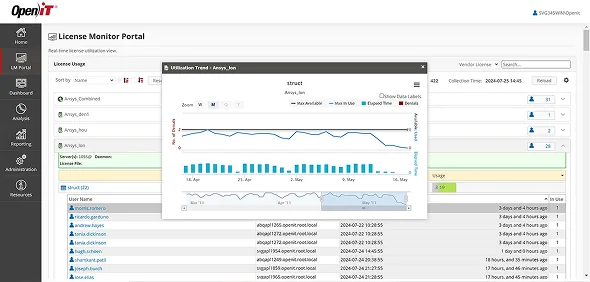
All collected data is processed within the Open iT SaaS platform, providing a centralized and unified view of software usage.
Organizations gain insight into:
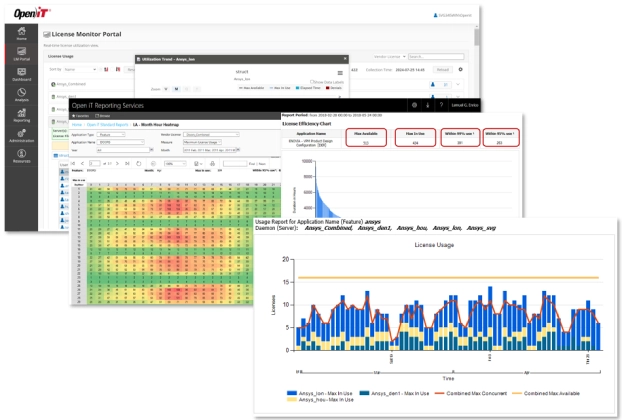
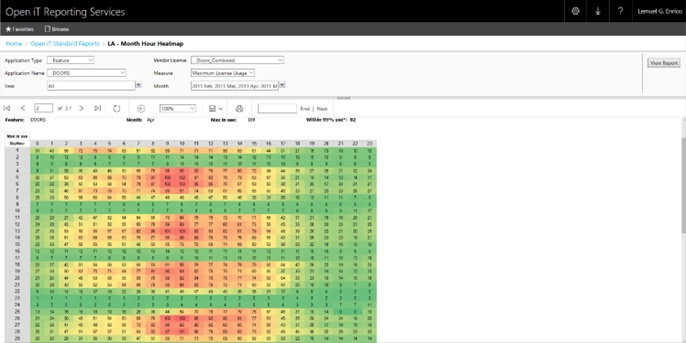
- License utilization rates
- Peak usage trends
- Idle or inactive licenses
- Denied license requests
- Feature-level usage
These insights help organizations understand actual demand and identify inefficiencies.
License Optimization with Open iT SaaS
Open iT SaaS delivers advanced analytics that identify opportunities to:
- Reclaim unused licenses
- Reduce overprovisioning
- Optimize subscription levels
- Eliminate redundant tools
- Reduce software shelfware
By aligning license allocation with real usage data, organizations can significantly reduce unnecessary spending.
Audit Readiness with Open iT SaaS
Vendor audits are becoming more frequent and more complex. Organizations must be prepared to provide accurate usage data and documentation.
Open iT SaaS helps organizations stay audit-ready by providing:
- Accurate historical usage data
- Audit-ready reports
- Clear documentation of license usage
- Visibility into potential audit risks
This proactive approach reduces the likelihood of audit-related surprises and financial penalties.
Expert Support and Managed Insights
- Interpret analytics
- Identify optimization opportunities
- Prepare for audits
- Improve software investment decisions
This ensures organizations can turn isnsights into real business outcomes.
Who Should Use Open iT SaaS
Engineering and Technical Organizations
Companies using high-value applications such as CAD, CAE, EDA, and simulation tools benefit from deep usage insights.
SaaS-Driven Enterprises
Organizations with large SaaS portfolios gain visibility into subscription usage and cost optimization opportunities.
IT and Software Asset Management Teams
Open iT SaaS provides centralized analytics for managing software usage and preparing for audits.
Finance and Procurement Leaders
Accurate usage data helps improve forecasting, reduce waste, and strengthen vendor negotiations.
Global and Distributed Organizations
Open iT SaaS ensures consistent visibility across complex, distributed IT environments .
Small and Medium-Sized Businesses (SMBs)
SMBs can gain enterprise-level visibility into software usage without the need for complex infrastructure, helping them control costs and stay audit-ready with limited IT resources.
Open iT SaaS vs Traditional License Management Tools
- On-premise deployment required
- Internal maintenance required
- High upfront investment
- Limited expertise
- Reactive reporting
- Cloud-delivered platform
- Fully managed solution
- Subscription-based model
- Built-in expert support
- Continuous analytics and insights
How Open iT SaaS Works
Use Continuous
Monitoring
Track software usage in real time to identify trends and inefficiencies.
Act on
Optimization Insights
Reallocate licenses, reduce waste, and optimize subscriptions based on real data.
Align Teams
Around Data
Ensure IT, finance, and procurement teams use shared insights for decision-making.
Prepare for Audits
Proactively
Use Open iT SaaS reporting to identify risks before audits occur.
Scale Across the
Organization
Häufig gestellte Fragen
What is Open iT SaaS?
Open iT SaaS is a cloud-based solution that provides software usage analytics, license optimization, and audit-ready reporting.
How does Open iT SaaS reduce software costs?
Can Open iT SaaS support hybrid environments?
How does Open iT SaaS help with audits?
It provides accurate usage data, historical records, and audit-ready reports.
Who benefits most from Open iT SaaS?
Related Reading
Engineering Software-Optimierung mit Open iT auf der Knowledge 2025
Die Knowledge 2025 wird heute eröffnet und die Open iT findet im Venetian statt.
Read More →
Bereitschaft zur Prüfung von Bundessoftware im Zeitalter der eskalierenden Anbieterüberprüfung
Während Software-Anbieter ihre Prüfungsbemühungen verstärken, werden Bundesbehörden
Read More →
WEBINAR: Effektive Kostenoptimierung und -verwaltung mit Siemens NX lernen
Unternehmen unterschätzen oft die tatsächlichen Kosten der Siemens NX-Software. Mit
Read More →
Warum Regierungsbehörden Schwierigkeiten bei der Umsetzung von SAM-Rahmenwerken auf Bundesebene haben
Bundesbehörden arbeiten in einigen der softwareintensivsten Umgebungen
Read More →Take Control of Software License Usage with Open iT SaaS
Software license management is no longer just about tracking usage—it’s about gaining visibility, optimizing costs, and staying prepared for audits in increasingly complex IT environments.
This creates several critical challenges:
- Gain full visibility into software usage
- Stay prepared for vendor audits
- Make smarter, data-driven decisions
- Optimize license allocation
- Reduce unnecessary software spending