

Automobile
Perpetual or subscription? Engineering software license management for automotive CAD and CAE
Open iT measures how every CAD and CAE software license in your estate is used, by user, feature and release. It reads your own license servers and workstations, from CATIA and SOLIDWORKS to Abaqus, Ansys and MATLAB. It records use the same way whether a seat is perpetual or subscription, on maintenance or not. That record lets you decide which seats to keep, convert or drop before a vendor or a budget cut decides for you. We’ve done this since 1999.
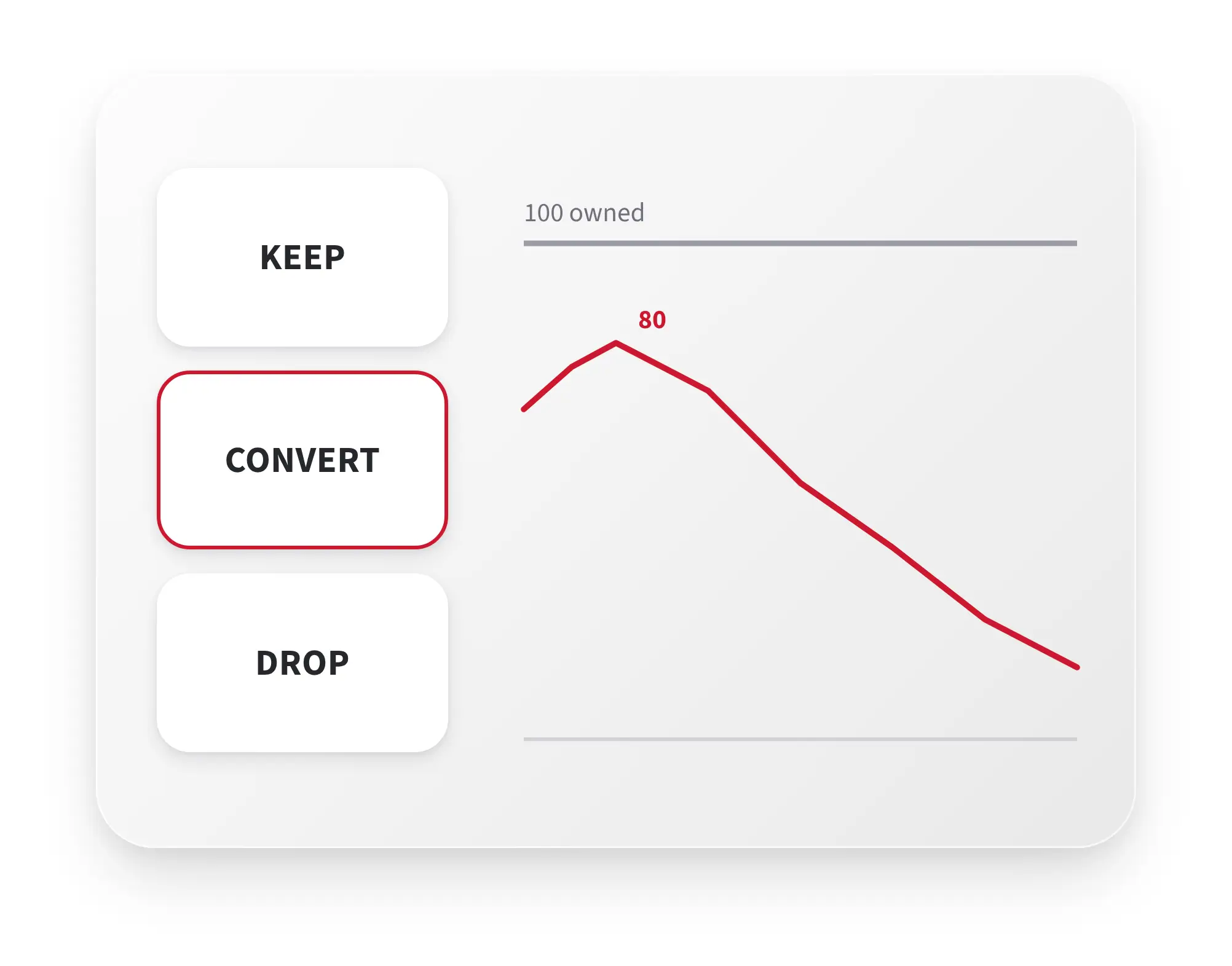
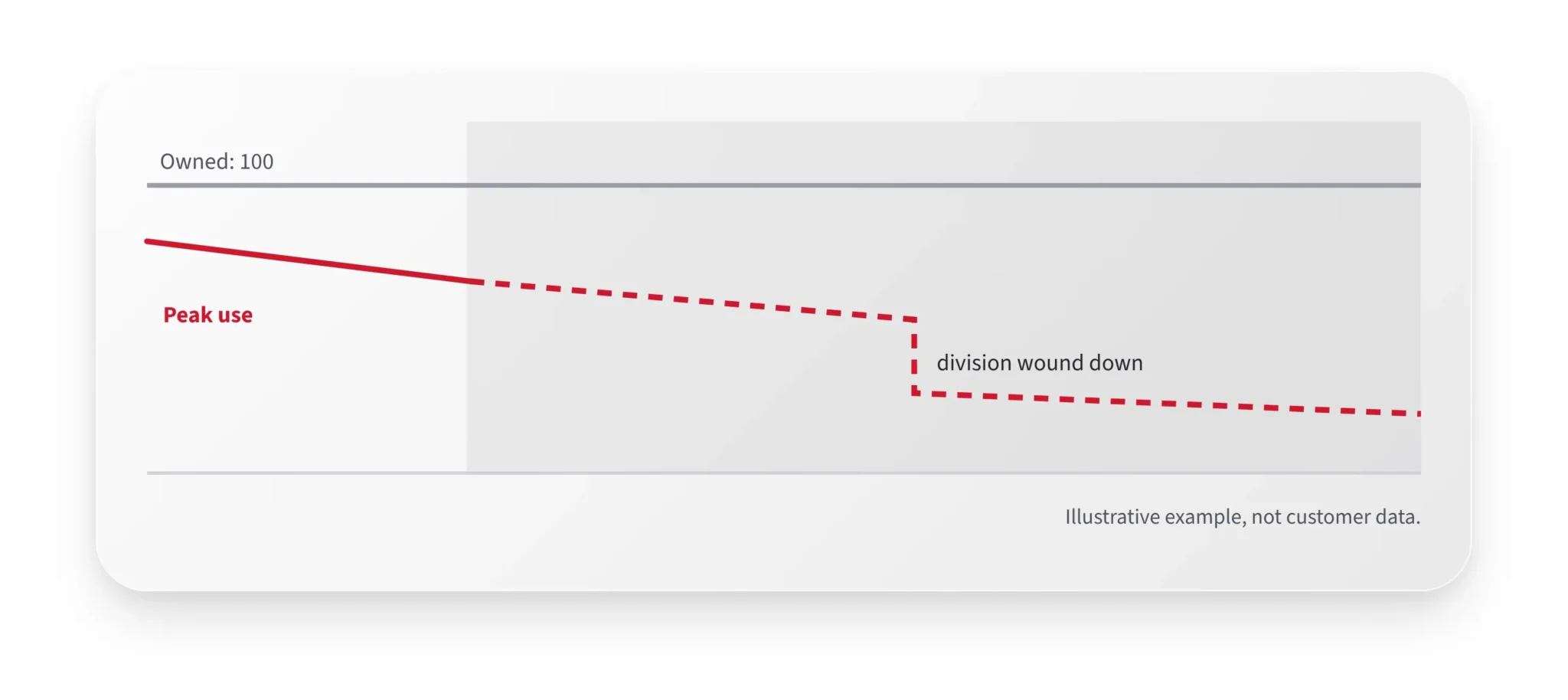
Some of the largest carmakers have already committed their engineering to a vendor's cloud platform, such as Dassault Systèmes' 3DEXPERIENCE. Much of the rest of the industry, suppliers included, still runs perpetual CATIA, Creo, Ansys and MATLAB estates bought years ago for peak programs. Then the budget shrinks and the vendor offers a conversion discount. Say you own 100 seats of one application and use peaks at 80, falling every quarter. Without detailed usage, choosing between a perpetual license and a subscription is a guess game, and the vendor's offer fills the gap.
01
Cut the maintenance, keep the seats
Dropping maintenance is usually the first move, and it’s often negotiable. A perpetual license stays yours when you stop paying. You keep the release you’re licensed for. New releases stop. Coming back costs more than staying. MathWorks charges back maintenance for the gap plus a reinstatement fee of 25% of annual maintenance. Ansys charges a reinstatement fee too.
So drop it only where nobody works. Open iT’s license monitoring shows which perpetual seats are in use and which nobody has touched, per user and per feature. It looks in two places. The license server shows who checked out which license, and when. The engineer’s workstation shows whether anyone is working in the application: keyboard, mouse, processor and input/output activity. A license can be checked out while nobody uses it, so we call the workstation view True Active Usage. Cut maintenance on the idle seats and you’ve split your estate in two.
02
Part of the estate on maintenance, and nobody can prove which part
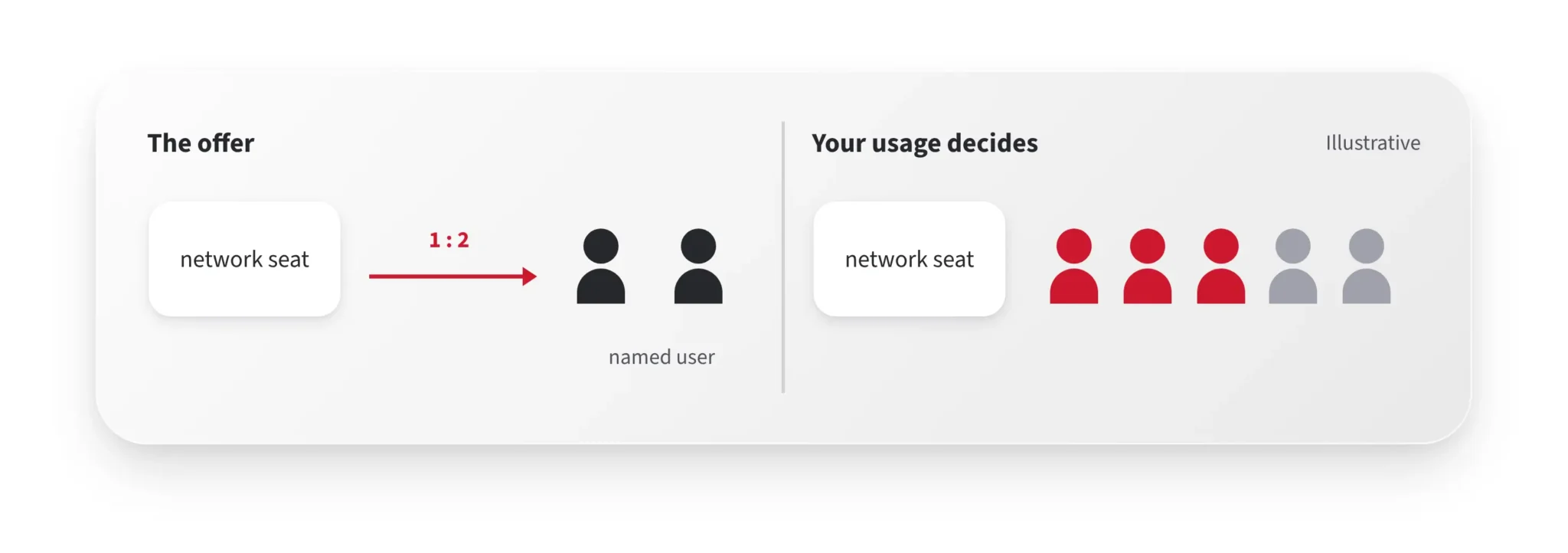
Keep maintenance on 80 of 100 CATIA V5 seats and you may upgrade 80. Somebody has to show the other 20 stayed on the old release. Dassault Systèmes’ terms draw that line: the perpetual license covers the release you bought, and the annual charge adds that year’s releases. Without a record, the question tends to end in a conversion offer.
Open iT records usage down to the feature version and keeps an audit trail for compliance and historical review. It shows each license’s features, versions, seat counts and expiry dates, so you can see which release every seat runs. Then the offer lands.
03
The offer counts seats. You need to count people.
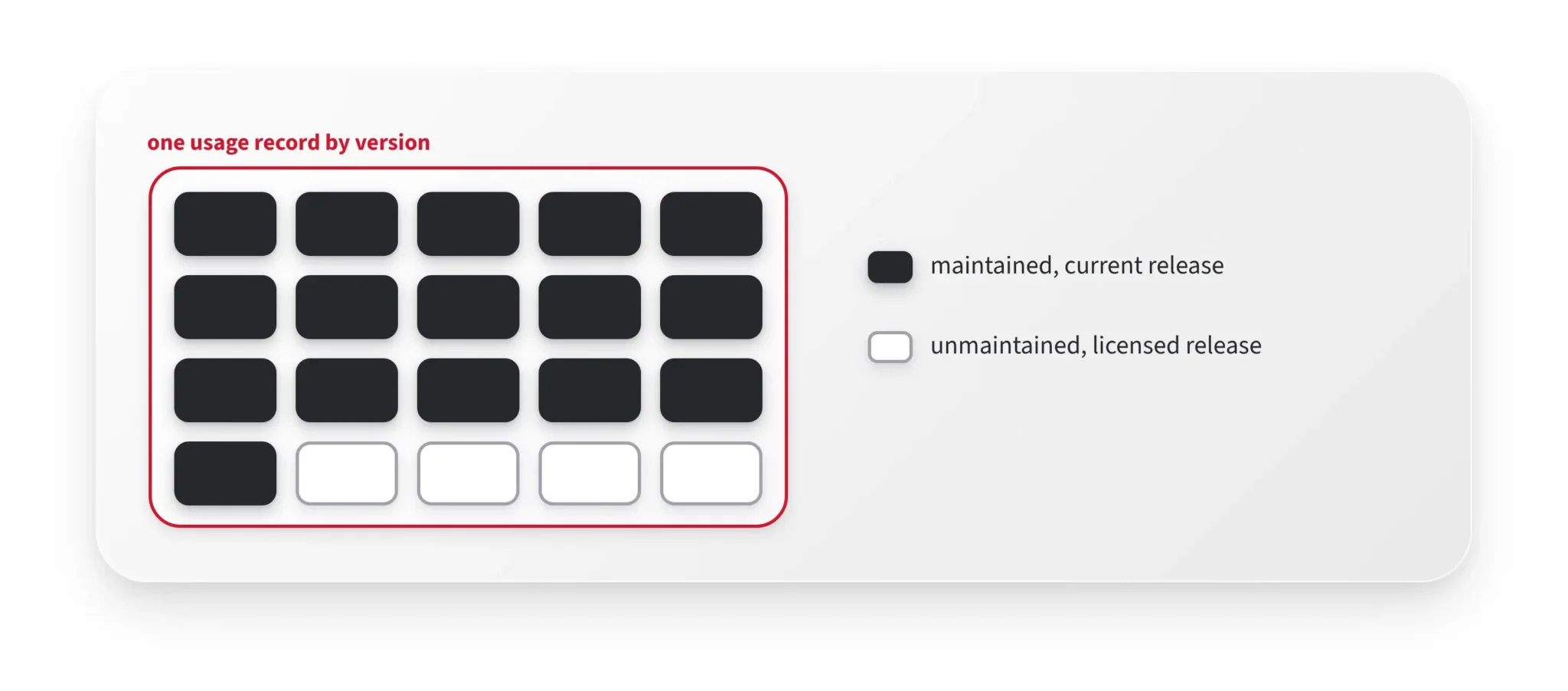
PTC has sold new Creo and Windchill licenses only by subscription in the Americas and Western Europe since 1 January 2018. Since 1 January 2019, that goes for its core products worldwide. Autodesk’s 2020 to 2023 trade-in swapped each floating network license for two named-user subscriptions. A shared seat and a named user aren’t the same unit. Whether two is enough depends on how many people used the one.
Open iT reports distinct users per application and feature from your own license servers, next to peak concurrent use. LicensePlanner™ allocates cost on named-user, concurrent or pay-per-use models, so you can test the vendor’s ratio against your own population before you sign. Count carefully. Restructuring may change who’s still here before the contract starts.
04
The company that signs won't be the company that uses it
Restructuring changes who’ll be there when the contract starts. Wind down a brand or a division and its engineers leave the count. Subscriptions often run three years, with a yearly renegotiation. Size the first year on last year’s users and you pay for people who’ve already gone.
Open iT reports usage by user group, host and host group, so you can take out the groups that are leaving and see what the rest use. LicensePredictor™ projects usage months ahead. LicensePlanner models scenarios such as cutting seats by X% or switching to tokens. Then finance asks who’s paying.
05
Once it's an operating cost, every brand asks what it pays for
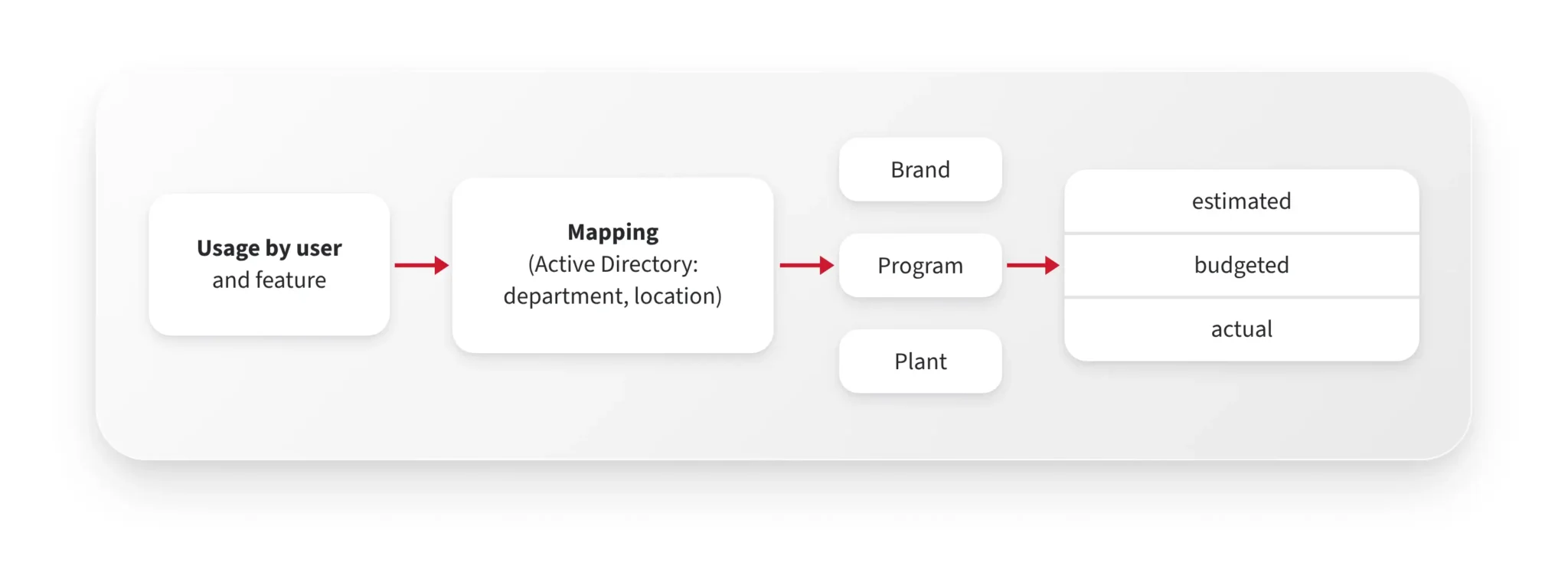
Subscription moves money from the balance sheet to the operating budget. Under US GAAP, companies generally capitalize perpetual licenses as intangible assets and expense cloud subscriptions over the contract term. Finance wants that split before anyone signs. Every business unit wants to see its share.
LicensePlanner maps usage to cost centers such as department, project, location or business unit, and allocates cost by chargeback or showback. It tracks estimated, budgeted and actual spend per title, from CATIA to MATLAB, each year. Project-based chargeback ties cost to a program for a set period, and departments and locations come in from Active Directory. The license decision now sits on every budget owner’s desk.
06
MATLAB license cost: what you can't show, you pay for
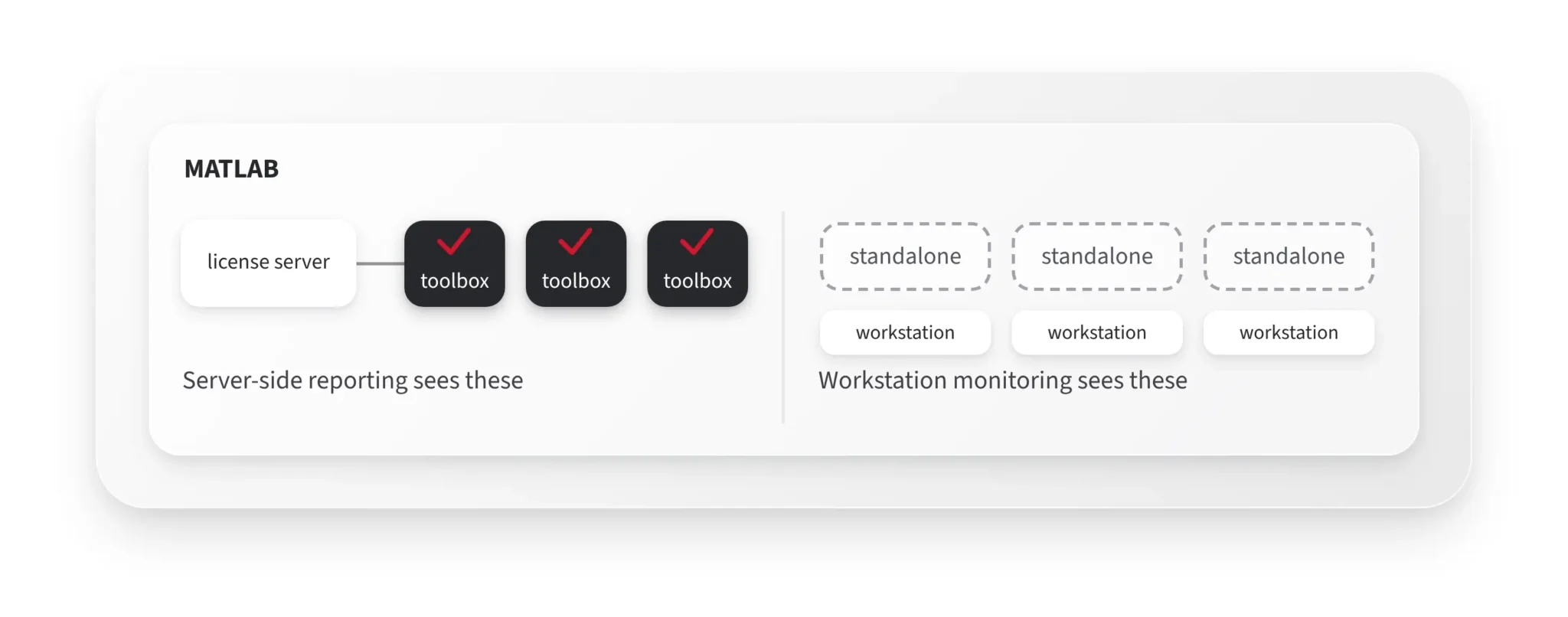
In MATLAB and Simulink estates the money sits in the toolboxes, and toolboxes are the licenses teams track least. Standalone copies on engineers’ workstations never show up in a server-side report. If you can’t show how a toolbox was used, expect to pay for all of it.
Open iT’s MATLAB collector reports toolbox use in total, per user, per user group, per host and per host group. Its workstation view also sees MATLAB running on engineers’ own machines, whether the copy is standalone or served from a license server. Toolboxes at least stay put. Tokens don’t.
07
Token budgets run out early, and nobody can cap them
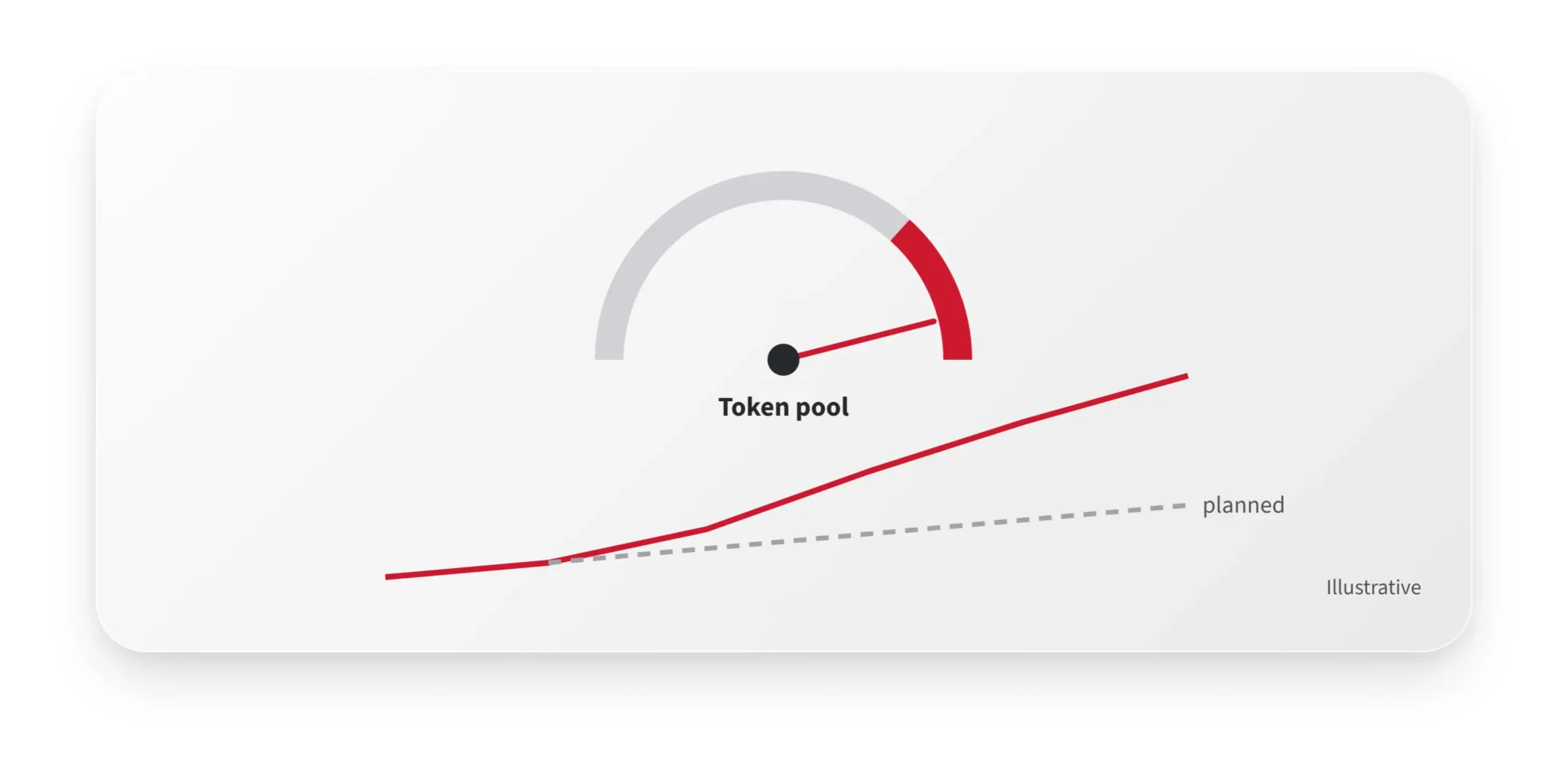
Hybrid contracts are spreading: subscribe to the modules people use every day and cover the rest with tokens. Dassault Systèmes’ credits are consumed and not refunded. Budgets run out sooner than planned. License admins can restrict products per user, but they can’t set a per-user token limit.
Open iT can’t cap the spend either. Those limits sit with the vendor. Open iT shows the burn instead: token pools consumed per feature, and for Autodesk a ready-made Power BI dashboard with consumption trends, subscription status and costs. See the rate early and you have time to move usage before the pool runs dry.
08
The audit letter arrives. Without evidence, the vendor's count wins.
Renewals and audits run on usage evidence. In Germany even measuring is regulated. Software suitable for monitoring employee behavior or performance falls under works council co-determination, Section 87(1) No. 6 of the Works Constitution Act.
Open iT keeps the evidence. Its license-server record doubles as an audit trail of who used which license and when, kept for compliance and historical review. Denial Reports show who was denied a license, why and when. Data Anonymization replaces user, host and application names while keeping the usage data reliable. The works council gets something concrete to approve, and the vendor gets numbers without names.
09
The numbers land where the decision is made
Usage data flows into a native Power BI connector and report templates, direct Excel connections and Tableau. The ServiceNow integration shows Open iT usage next to ServiceNow’s cost tracking and entitlement records. Sign-on runs through Microsoft Entra ID with SAML 2.0, or through Okta. Open iT deploys on-premises, in the cloud or hybrid.
Purchase orders and entitlements stay in your software asset management (SAM) platform. Open iT adds what gets used, in the tools finance and procurement already read.
09
Perpetual or subscription, decided on your numbers
You bring the scenario: which brands and programs stay. Open iT brings the usage data and the analysis model that maps today’s estate onto the one you’re planning. Keep the seats that work. Convert the ones a subscription serves better. Drop the rest, on your numbers instead of the vendor’s.
For many applications, Open iT can read the license logs you already keep, so your history starts before the install. Bring two numbers: how many seats you own and when the next renewal is due. We’ll show you what your usage says before the vendor’s offer does.
En savoir plus
Automotive license challenges by region
Automotive: North America
Cross-border license use that looks compliant and isn’t. Find the hidden exposure across plants, suppliers and shared pools.
Automotive: Europe
Usage measurement you’re actually allowed to do, built around privacy rules and works council requirements.
Automotive: Far East (Mainly China)
Reclaim and reassign capacity when a region’s demand drops, before idle seats turn into shelf-ware.