

Open iT と共に、今日の複雑な監査環境を乗り切るIT資産管理の専門家にとって最高のイベントである「IAITAM ACE 2026」にご参加ください。組織が、きめ細かなライセンス分析を活用して、事後対応型の監査対策から、データ駆動型の積極的なコンプライアンス体制へとどのように移行しているかをご確認ください。
2026年5月12日~14日
Mリゾート・スパ・アンド・カジノ
ネバダ州ラスベガス
ブロンズスポンサー
廃棄物の削減、コンプライアンスの向上、あるいはソフトウェア への投資に対するROIの最大化など、どのようなご要望であっても、当社のチームはお客様の環境に合わせた実践的な戦略をご提案いたします。IAITAMの当社ブースへぜひお立ち寄りください。ソフトウェア の資産を完全に管理し、隠れたコスト削減の可能性を引き出す方法をご紹介いたします。
スピーチセッション
ソフトウェア 監査はもはや時折行われるものではありません。頻繁に行われ、複雑で、財務的にも重要な意味を持つものとなっています。
このセッションでは、Open iT が、きめ細かなライセンス分析が、ITAMチームを「事後対応型の監査対策」から「先手を打った管理」へと転換させる方法を解説します。
以下の方法を学びましょう:
登壇者:
2026年5月13日 | 水曜日
午前11時15分~午後12時15分
Mリゾート・スパ・アンド・カジノ
ネバダ州ラスベガス
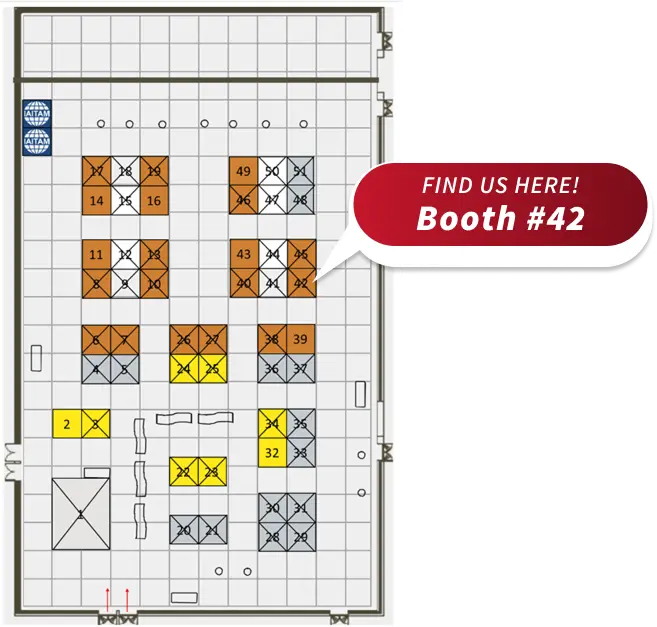
IAITAM ACE 2026にご参加予定ですか? 会場が混雑する前に、ぜひご連絡ください。イベント開催前に弊社チームまでご連絡いただくか、LinkedInでメッセージをお送りいただき、ラスベガスでの面談日時をご調整ください。また、カンファレンス期間中はブース番号42へお立ち寄りください。詳細なライセンス分析が、コンプライアンスの強化、監査リスクの低減、およびソフトウェア の支出最適化にどのように役立つか、喜んでご説明させていただきます。
セキュリティ上の理由から、OTPを送信する前に、ご自身が人間であることを確認するため、この簡単なパズルを解いてください。
Open iT
David Boyle
フェルホシュ・ダヴィド博士、カルマン力学
As engineering simulation becomes increasingly central to product development, organizations are facing growing pressure to scale computational workloads across shared on-premise and cloud-based environments. While advances in solver capability and compute infrastructure have expanded simulation capacity, resource availability is now frequently constrained by licensing and entitlement models that are tightly coupled to runtime behavior. In complex simulation workflows, unmanaged resource consumption can introduce variability in execution time, reduce throughput, and compromise the predictability of engineering schedules.
This presentation introduces a data-driven governance approach for managing simulation resource consumption as an integral part of the simulation process rather than an external administrative function. The framework treats licensing constraints as a system-level parameter, similar to compute availability or memory limits, and integrates consumption awareness directly into simulation workflow planning and execution. By correlating workload characteristics, such as concurrency, wall time, solver class, and execution context, with observed consumption patterns, the approach enables engineers and simulation managers to anticipate constraints before they impact critical project milestones.
The methodology is based on the collection and normalization of granular telemetry from execution environments and resource management layers. These data streams are aggregated into consumption profiles that describe how different classes of simulation workloads behave under varying operational conditions. Predictive models derived from historical execution data are then used to support proactive decision-making, including workload prioritization, queue management, and adaptive scheduling. Importantly, this governance layer operates independently of specific solvers or licensing technologies, ensuring portability across different simulation domains.
From a systems perspective, the presentation outlines an architecture that integrates data collection, analytics, and policy enforcement with existing simulation process infrastructure. Lightweight policy mechanisms are used to translate predictive insights into runtime controls, allowing organizations to balance competing objectives such as throughput, fairness, and schedule adherence. Particular emphasis is placed on maintaining engineer autonomy while introducing guardrails that prevent resource contention during peak demand periods.
Applied implementations of this framework demonstrate improved stability in simulation execution and reduced variability in job turnaround times. Rather than optimizing for cost alone, the analysis focuses on operational performance indicators that are directly relevant to engineering outcomes, including queue stability, utilization consistency, and predictability of simulation delivery. These improvements support more reliable design iteration cycles and reduce the risk of downstream delays in product development.
The session concludes by presenting a set of practical metrics and governance principles that can be adopted by organizations seeking to scale simulation workloads in a controlled and transparent manner. Attendees will gain insight into how data-driven governance can be embedded within simulation processes to support resilient, scalable, and well-coordinated engineering operations, particularly in environments where shared resources and complex workflows are the norm.