

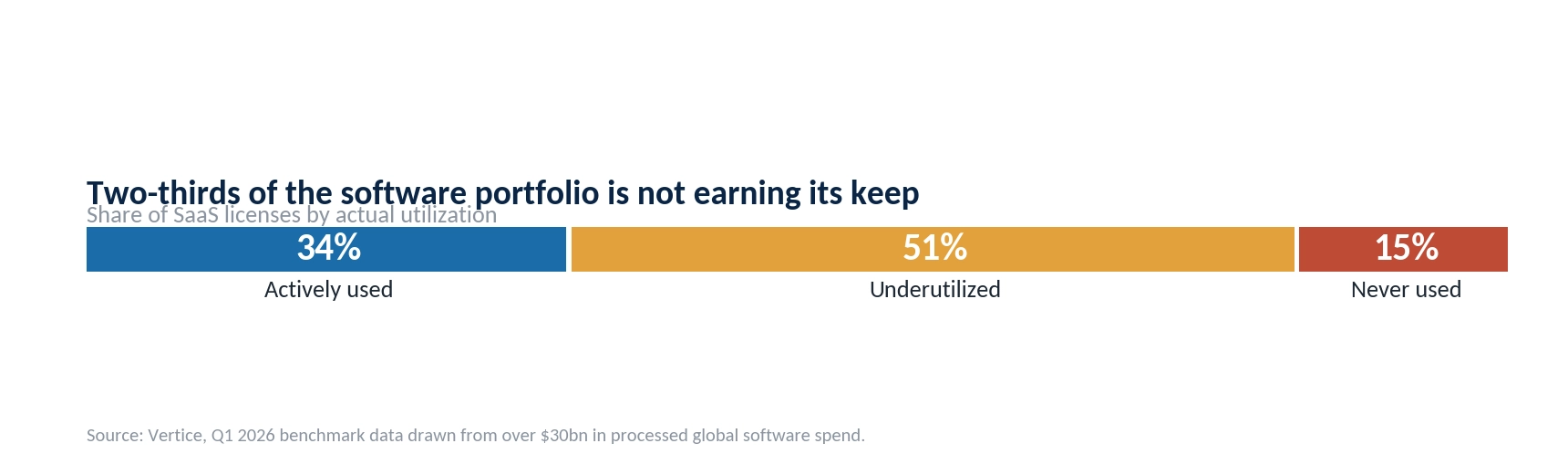
- ソフトウェア ライセンスのチェックアウト状況からは、実際のコストが隠されています。ライセンスの約51%は、一見有効に見えるにもかかわらず、十分に活用されていないのです。
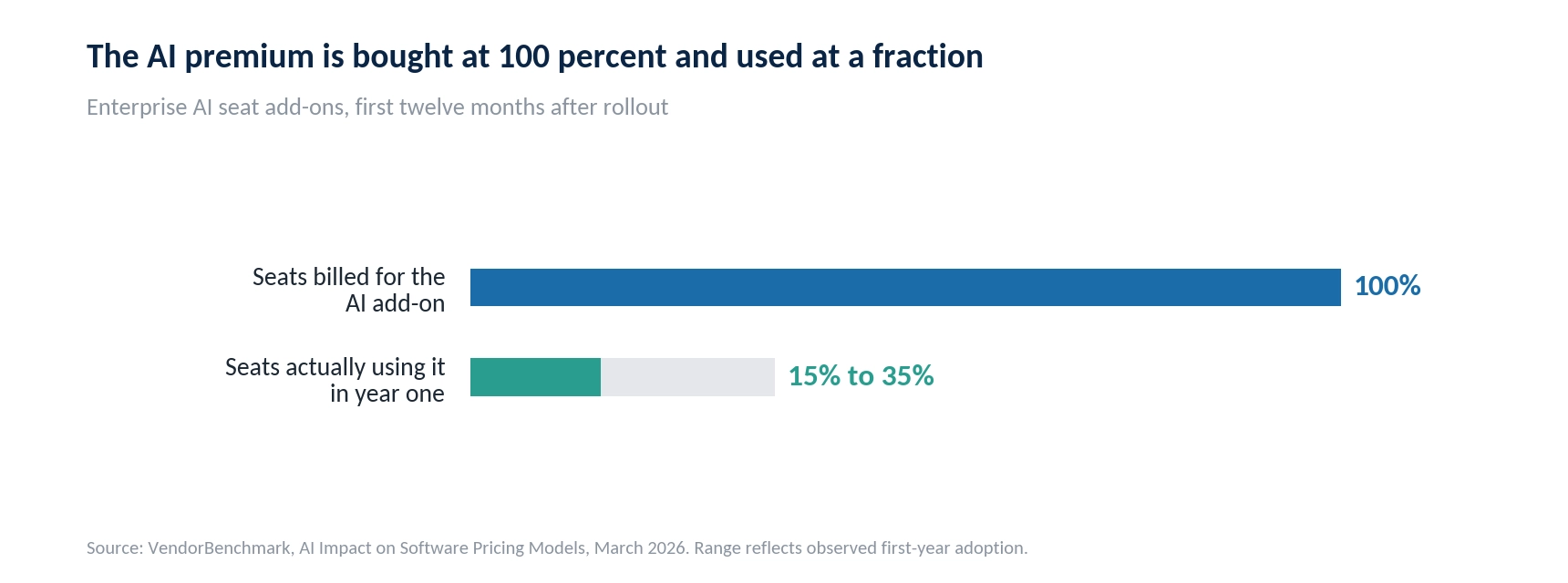
- AI関連の追加機能については、導入初日にユーザー全体を対象に課金されるが、導入初年度の採用率は多くの場合、15~35%にとどまる。
- ソフトウェア 更新時の価格は、実際の需要ではなく既存の基準値に基づいて算出されるため、使用量データがないまま契約を更新すると、毎年過剰な支出が積み重なってしまいます。
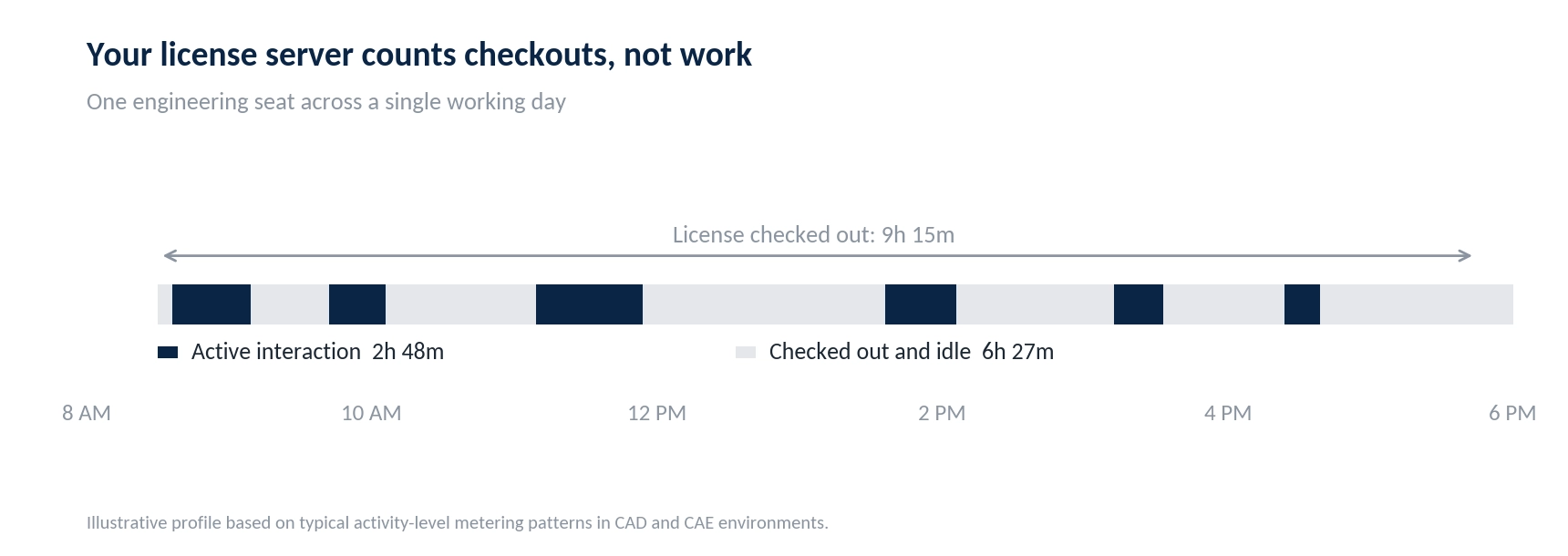
ある朝8時30分、エンジニアがCADまたはCAEのライセンスを開くと、ライセンスマネージャーはそのライセンスを「チェックアウト済み」として記録します。そして、その状態は、スタンドアップミーティング、昼食、2時間の設計レビュー、そして主にメール対応に費やされた午後を経て、5時30分を過ぎてライセンスが閉じられるまで続きます。 記録上は9時間ですが、実際に仕事をしたのはそのうち3時間だけです。これは、世界中のエンジニアリング組織における同時利用ライセンスプールで繰り返されているパターンであり、IT予算が単一の失敗した購入によって破綻することはめったにない理由でもあります。予算は、完全に承認され、文書化され、責任を負う人々には見えない支出を通じて、静かに浪費されていくのです。
目に見える項目が、実際に損害をもたらしている原因であることはめったにありません。
誰もがその氷山を覚えている。しかし、そのメッセージを覚えている人はほとんどいない。
1912年4月14日の午後、タイタニック号の無線室は、北大西洋を航行中の他の船舶から一連の氷山警報を受信した。そのうちのいくつかは、操舵室に伝えられることさえなかった。その夜、見張り台にいた見張り員たちは双眼鏡を使わずに勤務していたが、歴史家たちは、この事実の原因を、船がサウサンプトンを出港する直前に急遽行われた乗組員の交代にあると突き止めている。氷山との衝突が「出来事」であり、伝達されなかった情報が「原因」であった。
企業のIT予算も、ほぼ同様の形で破綻する。誰もが「これだ」と指摘できるような、たった1件の失敗した購入が原因で予算が底を突くことはめったにない。予算は、完全に承認され、適切に文書化され、しかもその責任を負う人々からはほとんど見えにくい支出を通じて、静かに枯渇していくのだ。
プレッシャーはかつてないほど高まっています。ガートナーは、2026年の世界の ソフトウェア (SaaS)支出が前年比15.1%増の1.44兆ドルに達すると予測しています。一方、Zyloの「2026年SaaS管理指数」によると、アプリケーション数は横ばいであるにもかかわらず、支出は依然として8%増加していることが明らかになりました。企業は新たなツールを購入しているわけではありません。すでに所有しているツールに対して、より多くの費用を支払っているのです。
ここでは、ほとんどの場合、明細項目として表示されない3つのコストと、それらを把握するために必要なことについて説明します。
1. 貸出済みのライセンスと実際に使用されているライセンスとの間の乖離
多くの組織はすでに「シェルフウェア」という概念を理解しています。つまり、誰も開けていないツールや、試験運用後に頓挫してしまったプロジェクトのことです。Vertice社の2026年第1四半期のベンチマークデータ(ソフトウェア の処理済み支出額300億ドル以上に基づいて算出)によると、完全なシェルフウェアはライセンス全体の15%を占め、さらに51%が十分に活用されていないことが明らかになっています。
15%はすでに整理済みだ。51%こそが真の利益の源泉だが、そこを見つけるのははるかに難しい。なぜなら、それらのライセンスは一見、利用率が高いように見えるからだ。
このコストが最も急速に膨らむのはエンジニアリング環境です。ここでは、ハイエンドのCAD、CAE、あるいは地中探査用ソフトウェア の1ライセンスだけで、年間で5桁の金額に達することも珍しくありません。エンジニアが午前8時30分にそのアプリケーションを開くと、ライセンスがチェックアウトされます。そのライセンスは、スタンドアップミーティング中、昼食中、2時間にわたる設計レビュー中、そして主にメール対応に費やされる午後を通じて、ずっとチェックアウトされたままとなります。 ライセンスマネージャーには、9時間強にわたる連続したチェックアウトとして記録されます。実際の作業時間は約3時間でした。
これを、共有されている同時利用ライセンスのプール全体に拡大して考えると、このパターンは極めて特異な形でコスト増を招くことになる。そのツールを真に必要としている人が利用を拒否されるため、チームは追加のライセンスを要求する。その結果、ライセンスのプールは拡大し、利用率はさらに低下する。そして、本来は不足などではなかった状況に対処するために、予算が膨らんでいくのである。
チェックアウトデータからは、こうしたことは一切読み取れません。活動レベルの計測だけがそれを明らかにできるのです。なぜなら、本当の問いは、アプリケーションが開かれているかどうかではなく、誰かがそれを操作しているかどうかだからです。
2. 定価で購入しているAIプレミアム
この費用は新たに発生したものであり、その増加ペースは、ほとんどの予算サイクルの追跡能力を上回っています。
現在、主要なベンダーはすべて、AIを価格表に組み込んでいます。マイクロソフトは「Copilot」を「Microsoft 365」に組み込みました。セールスフォースは「Einstein」と「Agentforce」をCRMの上位プランに組み込みました。SAPは「Joule」を自社のクラウド製品群全体に展開しています。その一部は、ユーザーごとの別途料金がかかるアドオンとして提供されます。また、強制的なプラン移行という形をとるものもあり、長年更新し続けてきたSKUがひっそりと廃止され、唯一の代替プランはより高額になるというケースもあります。
問題は、AI機能がコストを伴うこと自体ではありません。問題は、AI機能がほぼ例外なく導入初日に全ユーザーを対象に購入される一方で、その導入率は、これまであらゆる企業でのシステム導入がたどってきたのと同じような緩やかな曲線を描くという点にあります。VendorBenchmarkの2026年3月の分析によると、AIライセンスの追加オプションの初年度導入率は15~35%程度にとどまっています。 デロイトの2026年版「企業における生成AIの現状」調査によると、企業のAIプロジェクトの72%が当初の予算を少なくとも30%上回っていることが明らかになった。
さらに、課金単位の問題もあります。トークン、クレジット、会話数、解決件数などで請求される従量課金制は、年間予算にすっきりと収まるものではありません。その金額は日々変動します。多くの財務チームは、請求書が届いて初めて、その変動額がどれほどだったかを把握することになります。
次回の更新を迎える前に、単なる印象ではなく、具体的な根拠に基づいて以下の3つの質問に答えられるようにしておくべきです:
- ライセンスの対象となるAI機能
- 実際に電源が入っているのはどれか
- その高価格に見合うほど十分に活用しているのは誰か
もし答えが当てずっぽうなら、あなたは他人のロードマップに資金を提供していることになる。
3. 独自のデータがないまま契約更新に臨むことの代償
最初の2つのコストは、会社から資金が流出するものです。このコストは、来年の流出額を決めることになるため、より高額になります。
契約の更新は、常に双方の交渉です。一方には、貴社がその製品をどのように利用しているかに関する、正確でタイムスタンプ付きの詳細なデータがあります。もう一方には、通常、発注書やスプレッドシート、そして「なんとなくの感覚」があるだけです。自社の利用状況を明確に説明できない場合、ベンダー側の説明が事実として受け入れられ、あらゆる話し合いはベンダー側の数値を起点として始まってしまいます。
その数字はその後、複利効果で膨らんでいきます。必要な額より25%多い給付額を、標準的な年次増額条項付きの契約に組み込んでしまうと、一度だけ過剰に支払っているわけではありません。毎年少しずつ過剰に支払い続けることになり、3年目にはその過剰分が予算の一部として定着し、誰も疑問を抱かなくなるのです。
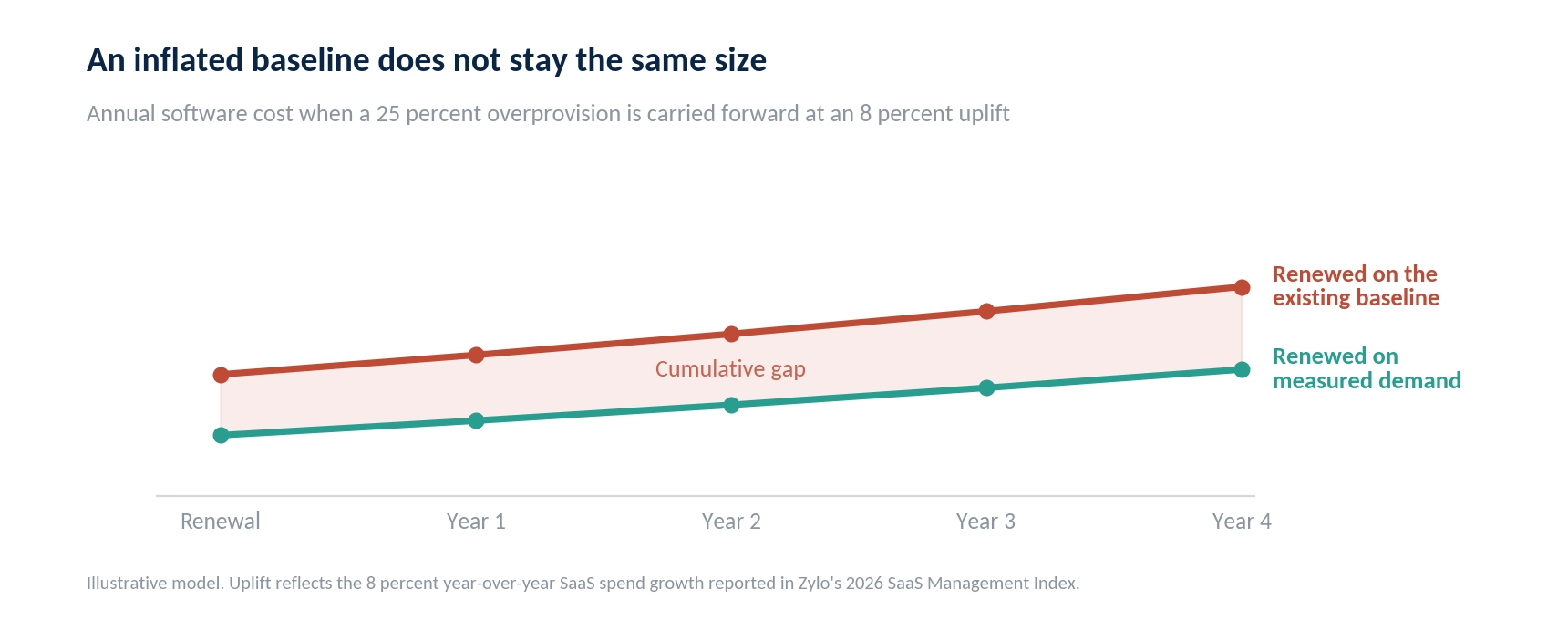
この盲点は、逆の方向にも影響を及ぼします。監査リスク、調整請求、コンプライアンス違反による罰金――これらはすべて、組織内の誰も実際に何が使用されたかを証明できないという、同じ根本的な問題に起因しています。どちらのリスクに対しても、解決策は同じです。つまり、自ら証拠を提示することです。
可視化によって実際に何が変化するのか
こうした状況には、変革プログラムなど必要ありません。必要なのは、現実を反映した測定です。
これこそが、Open iT が20年以上にわたり取り組んできた事業です。 LicenseAnalyzer Autodesk、Ansys、Dassault Systèmes、Siemensなどのエンジニアリング・プラットフォームからSaaSサブスクリプションに至るまで、6,000以上のアプリケーションにわたって実際に使用されている量を計測し、それを利用傾向、チャージバック、そして交渉に活用できる根拠へと変換します。 LicenseOptimizer は、未使用のライセンスを自動的に収集し、誰かが追加のライセンスをリクエストする前に、それらをプールに戻します。
その成果は単なる理論上のものにとどまらない:
- タタ・コンサルタンシー・サービシズは、世界全体の利用状況をまとめたデータを活用して、利用権限を実際の需要に合わせて調整し、数百万ドル規模のコスト削減を実現したと報告した。
- bpは、複雑なアプリケーション環境全体において、実際に使用されているペトレルのライセンスと、未使用のライセンスとを区別した。
- NASA 導入初年度中にライセンスサーバーを統合し、ベンダーとの交渉力を強化した
タイタニック号の氷山警報は決して失われたわけではない。それらは受信され、書き写され、脇に置かれただけだった。その情報は最初から最後まで存在していた。ただ、操舵を担当していた人物には届かなかっただけである。
お客様の利用データも存在しています。今この瞬間も、ライセンスサーバーのログや管理コンソール、そして今四半期は誰も開いていない利用状況メーターに記録され続けています。次回の更新日はすでにカレンダーに予定されています。
問題は、IT予算が無駄になっているかどうかではありません。契約が自動更新される前に、その警告に誰かが目を通しているかどうかが問題なのです。
よくある質問
ソフトウェア の「シェルフウェア」とは何ですか?
「シェルフウェア」とは、購入されたものの一度も開封されることなく、ライセンスが完全に遊休状態にあるソフトウェア を指します。これは、ソフトウェア の無駄の中でも最も見つけやすい形態であり、通常、コスト見直しにおいて真っ先に整理される対象となります。より深刻な問題は「利用率の低いライセンス」です。これらは開封されており、一見アクティブに見えますが、そのコストに見合うほどの実際の業務にはほとんど活用されていないライセンスのことです。
チェックアウトされたライセンスが実際に使用されているかどうか、どのように確認できますか?
チェックアウトデータだけでは、この疑問に答えることはできません。ライセンスは、アプリケーションが開かれた瞬間から閉じられるまで「使用中」と表示されますが、その間に実際の作業が行われた時間がどれほどあったかは関係ありません。アプリケーションとの実際のやり取りを追跡する「アクティビティベースの計測」によってのみ、9時間のチェックアウトのうち実際の使用時間が3時間だったケースと、1日中実際に使用されていたライセンスとを区別することができます。
なぜAIアドオンは、導入初年度に予算超過になりがちなのでしょうか?
多くの組織では、全ユーザーを対象としたAIのライセンスを前払いで一括購入していますが、実際の導入率は徐々に上昇するに留まり、初年度には多くの場合15~35%にとどまります。これに加え、トークンやクレジット単位で課金され、日単位で変動する従量課金制が組み合わさることで、ライセンス取得数と実際の利用量の差、および予算額と請求額の間に生じるギャップが、AI関連費用の予算超過の原因となっています。
利用データは、ソフトウェア の更新交渉にどのような影響を与えるのでしょうか?
自社の利用データがなければ、製品の実際の使用状況に関する詳細な記録を唯一保有しているのはベンダー側であるため、更新交渉はベンダーの条件に基づいて行われることになります。利用データがあれば、実際にどれだけの量が消費されたかという独自の証拠を提示できるため、以前の基準値に標準的な増量分を加えた形で更新するのではなく、利用権限を適正な規模に調整することが可能になります。そうすれば、毎年超過分が積み重なる事態を防ぐことができます。
利用データが伝えようとしていることに気づこう
Open iT エンジニアリング環境やSaaS環境におけるソフトウェア の実際の使用状況を測定することで、利用権限を適正な規模に調整し、データに基づいて契約更新を正当化し、未使用のリソースを回収することができます。