
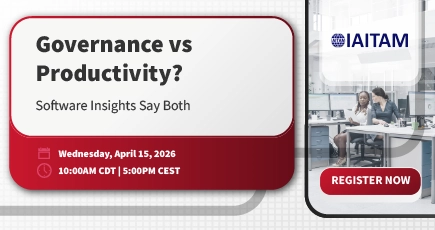

April 15, 2026
10AM CDT / 5PM CET
Join Open iT at the NAFEMS Italy Conference 2026 and connect with engineering leaders exploring the next phase of simulation-driven development. We’ll be presenting our session on maximizing the value of simulation software, sharing how organizations can address adoption challenges and improve how simulation fits into everyday engineering workflows.
May 7–8, 2026
Teatro Sociale
Como, Italy
SPEAKING SESSION
As simulation investment grows, many organizations still struggle to get consistent value from their tools. This session explores how operational and organizational challenges affect adoption, and how a more structured approach can improve utilization, streamline workflows, and make simulation a more reliable part of product development.
Track B: 4B | Simulation Governance, Workflow and SPDM
Presenter: Massimo Dal Vecchio — Director of Strategic Accounts, Eastern Hemisphere
May 7, 2026
Thursday, 6:20 PM–6:40 PM
Teatro Sociale
Como, Italy
Investment in simulation software continues to accelerate across multiple industries, driven by the need for faster design iteration, improved product performance, and reduced physical prototyping. The global simulation software market is projected to grow from approximately USD 15.0 billion in 2025 to more than USD 33.6 billion by 2032, reflecting its expanding role in modern engineering and product development workflows. Despite this growth, many organizations struggle to fully realize the expected value of simulation technologies, with adoption often constrained by a combination of operational, technical, and organizational challenges. High software and infrastructure costs remain a significant barrier, particularly when combined with complex integration requirements across existing engineering systems. Steep learning curves and limited access to skilled personnel further complicate adoption, especially for small and medium-sized enterprises that lack dedicated simulation specialists. Recent industry surveys indicate that many engineering teams use simulation tools sporadically rather than systematically, citing time constraints, perceived misalignment with immediate business objectives, and insufficient organizational support as primary factors. As a result, simulation capabilities are frequently underutilized, workflows become fragmented, and anticipated returns on investment are not fully achieved. This study explores a structured framework for understanding and addressing the primary challenges organizations encounter when implementing and scaling simulation software. By examining software usage patterns, workflow integration points, and organizational practices, the framework identifies key leverage points where targeted interventions can improve adoption and operational effectiveness. The analysis considers both technical dimensions, such as workflow efficiency and system interoperability, and organizational dimensions, including skills development, process ownership, and governance structures. Preliminary observations suggest that organizations adopting a more holistic approach—treating simulation as an integrated component of engineering operations rather than a standalone capability—achieve higher levels of utilization and more consistent productivity gains. Improvements are observed not only in engineering efficiency, but also in project predictability and decision-making quality across the product development lifecycle. The findings underscore the importance of viewing simulation software as a strategic investment that requires coordinated technical and organizational alignment. Organizations that proactively address adoption barriers are better positioned to translate simulation investments into measurable improvements in engineering performance, project delivery, and long-term operational value.
Have a question or want to continue the conversation? Reach out to our team before the event or meet us in Como to discuss your current simulation challenges and exchange insights.